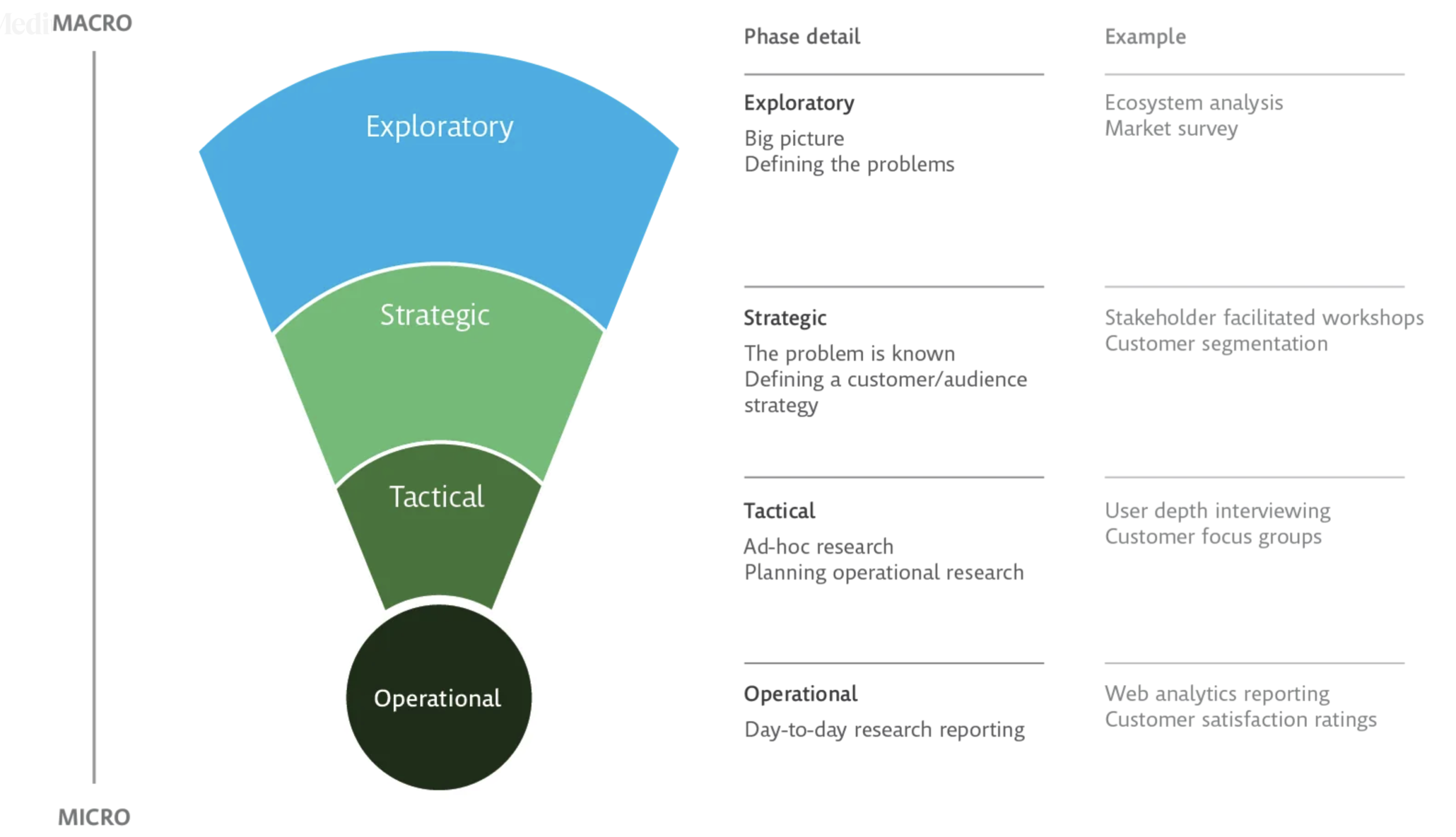
This week I’ve been a lot about the research funnel (see above).
Relevant video:
The suggestion was to list out all of my research claims, sort them from broadest to most specific and then start cutting to try and dial in the appropriate level for a dissertation sized research question. (This is not my typical M.O.).
So, I went back to the beginning, dug through all of my dissertation notes and feedback from the last year hunting for anything that informed the most recent version, and organized the relevant parts into bullets.
- How do digital and networked media shape contemporary sexual experience?
- In what ways has technology transformed sex, intimacy, and desire in the digital age?
- How do media technologies mediate embodiment, pleasure, and sexual identity?
- What is the relationship between sexuality and computation in contemporary culture?
- How do platforms, interfaces, and networks reorganize sexual norms and practices?
- How has the rise of networked sexual technologies changed power, agency, and intimacy?
- What does “digital sex” reveal about the politics of bodies, representation, and control?
- How do emerging sexual technologies challenge existing theories in media studies and sexuality studies?
What became quickly evident in this exercise were a number of interrelated claims across varying scales and scopes, many too large for a dissertation project (especailly all at once!). This scale lead to getting caught up in ontological explanation rather than targeted evidence and analysis in my argument.
Thus, I’ve narrowed my approach significantly to lock-in on a specific claim examined through three sexual technologies that each reveal an important valence of the broader arguement:
Central Research Question
How do networked sexual objects redistribute agency and reconfigure embodiment within contemporary sexual ecologies?
Critical Intervention
This project intervenes at the intersection of media studies and sexuality studies by addressing three persistent gaps:
- Media studies has emphasized representation, platforms, and spectatorship while largely neglecting sex as an embodied, operational practice shaped by interfaces and infrastructure.
- Sexuality studies has centered identity, discourse, and politics while under-theorizing the role of computation, digital systems, and material constraint in shaping sexual experience.
- Scholarship on networked sexuality and teledildonics has privileged immediacy, presence, and distance collapse, often overlooking how automation, delay, endurance, and network reorganize sexual power.
Against these tendencies, the dissertation argues that networked sexual devices function as infrastructural agents, redistributing agency across bodies, systems, and publics, and producing new configurations of intimacy that are automated, communal, and durational.
“Emobidment” and “operationality” are keywords here not only because these texhnosexual practices are both embodied and operational, but also because they emphasize the utility of critical making practices for analysis of the sort on these objects. As explained in earlier prospectus drafts, Critical Making focuses on the production of embodied knowedge and the operational capacities of the objects being studied. As a result, Critical Making processes (with all thier frictions, failures, resets, glitches, and obscurities) are able to intervene in these systems in ways that pure discussion cannot.
I am also turning to active work on critical making elements of this project as well, in order to hopefully ground the artistic elements of the research practice more conclusively for dissertation guidnace. I have already made significant cuts to the content of the proposed dissertation (e.g. losing ABDL), so I am still considering three separate making projects (1 per chapter).
Chapter 1: PiShock device and code creation. Using code to create a bodily interface that reacts to data streams rather than human input (or even subversts it).
Chapter 2: Pup hoods and participabnt observation. While less obviously a critical making project, attaching cameras to a pup hood is far less interesting than attempting to gain some active insight on the formation and function of the community being considered online and off.
Chapter 3: Chastity devices and physical building. This is the most traditionally CM coded, experiementing with addition of peripheral devices to a chastity device in order to examine its technological capacities and constraints.